



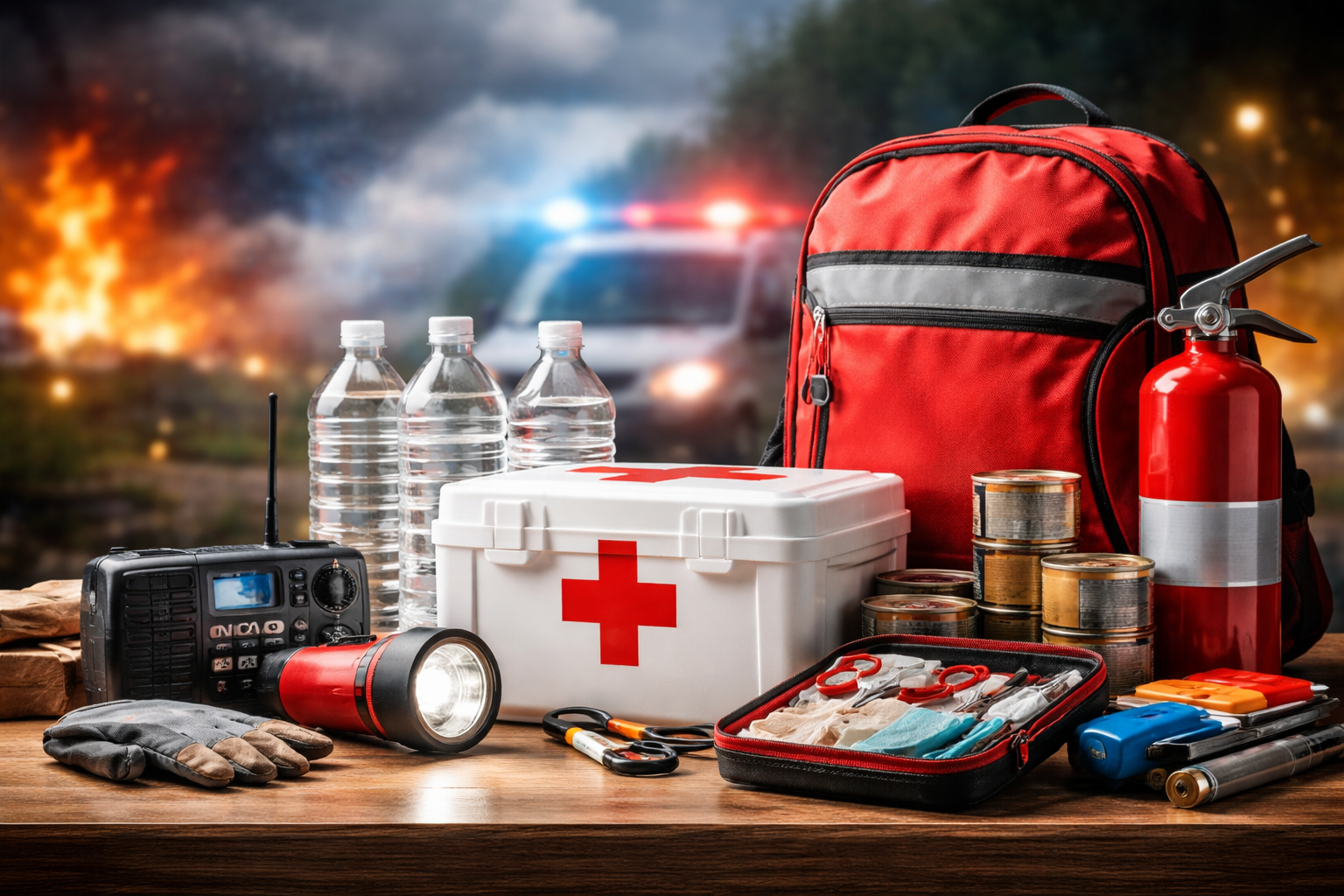
Understanding emergencies — and even why Ẻmgency exists as a term — is vital in an age of increasing global risks. Whether it’s sudden weather disasters, medical crises, or man-made hazards, being prepared can save lives, protect communities, and reduce the emotional and financial toll of unexpected events. This comprehensive guide explores everything you need to know about Ẻmgency — from definition and common types to preparedness actions, response strategies, and real facts and figures to support proven safety practices.
What Does Ểmgency Mean?
Many people search for “Ẻmgency,” but this is not a standard dictionary word. In most cases, Ẻmgency is:
-
A misspelling or stylistic variant of emergency, often used online.
-
A term that evokes sense of urgency or pressure rather than precise meaning.
Is “Ểmgency” a Real Word?
No — Ẻmgency isn’t recognized in major dictionaries. People use it online predominantly because it looks urgent and stands out visually, especially in headlines or informal content.
Origin and Online Usage of Ểmgency
The spelling likely emerged as a playful, attention-grabbing version of emergency. It’s particularly common in blog posts, social media captions, or articles aiming for emotional appeal.
Why People Search for “Ểmgency” Instead of “Emergency”
Search patterns show that some users either mistype or intentionally spell the word differently to evoke emotion or curiosity — presenting an opportunity to clarify meaning while addressing search intent.
Ểmgency vs Emergency – What’s the Difference?
Because the two terms are so similar visually, it’s important to understand what counts as a true emergency:
Correct Spelling and Dictionary Definition
A true emergency is an unplanned event that poses an immediate threat to life, health, property, or the environment and requires urgent intervention.
Is Ểmgency a Typo or a Stylized Version?
In the context of professional writing and safety planning, Ẻmgency is a misspelling of emergency. It might convey urgency but lacks official or technical recognition.
Search Intent Behind the Term
Many readers searching “Ẻmgency” want clarity on meaning, usage, and how it relates to real emergency planning and response.
What Is an Emergency? (Core Definition)
An emergency is an unexpected and threatening condition that demands immediate action to prevent loss of life or property. Emergencies may not always disrupt society as disasters do but can still be life-changing.
From healthcare demands to sudden accidents, emergencies vary in scale and type — but they share one key quality: urgency.
Types of Emergencies
Emergencies come in many forms, and understanding them can help people prepare and respond effectively.
Medical Emergencies
Examples include heart attacks, strokes, severe injuries, or conditions requiring urgent medical attention. Prompt intervention is often life-saving.
Natural Disasters
Natural events like hurricanes, floods, tornadoes, earthquakes, and wildfires are among the most common large-scale emergencies communities face.
Public Health Emergencies
Pandemics or outbreaks (e.g., COVID-19) strain health systems and require coordinated preventive and response measures.
Environmental Emergencies
Chemical spills, pollution incidents, and other hazards can cause acute threats to people and ecosystems.
Security and Civil Emergencies
These include acts of terrorism, public unrest, or other situations that threaten safety on a mass scale.
Infrastructure Failures
Power grid outages, water contamination, or transportation disruptions may create dangerous conditions for wide populations.
Understanding these categories helps individuals and organizations develop tailored preparedness and response strategies.
Why Emergency Preparedness Matters
Emergencies can happen at any time — understanding preparedness is not optional, it’s essential.
Saving Lives
Preparedness ensures people know what to do before, during, and after a crisis. Lack of preparation may delay help or reduce access to critical resources.
Reducing Damage
By planning ahead with supplies and communication strategies, the impact of emergency situations can be lessened significantly.
Promoting Resilience
Households and communities that prepare for emergencies recover faster and bounce back more effectively.
Supporting Vulnerable Populations
People with disabilities, elderly populations, and people with chronic conditions face greater risks during emergencies and benefit even more from thoughtful preparedness.
How to Prepare for an Ểmgency (Step-by-Step Guide)
Preparation transforms confusion into action. The following steps form the foundation of good readiness:
Create a Personal Emergency Plan
Identify potential emergencies in your region and define:
-
Who to call
-
Where to meet
-
How to communicate
This plan will help reduce panic and save time.
Build an Emergency Kit
Experts recommend supplies for at least 72 hours — food, water, first-aid materials, medicines, flashlights, batteries, and important documents.
Communication Strategy
Establish emergency contacts and backup ways to communicate if phone networks fail.
Evacuation Planning
Know the safe routes and shelters in your community. Practice evacuation drills with your family.
Special Needs Preparedness
Include plans for infants, elderly relatives, disabled family members, and pets. Make sure medications and medical tools are accessible.
Role of Technology in Modern Emergency Management
Emergencies are increasingly managed through cutting-edge technologies:
Early Warning Systems
These systems alert populations about threats such as storms or seismic activity.
Artificial Intelligence and Real-Time Monitoring
AI and real-time sensors improve prediction accuracy and coordination during emergencies.
Geospatial Mapping Tools
Satellite imagery and geographic information systems help responders track damage and navigate safe zones.
Emergency Alert Apps
Mobile alerts can quickly broadcast vital instructions to large populations.
What To Do During an Emergency
When an emergency strikes:
-
Stay calm and assess the situation
-
Contact emergency services if appropriate
-
Follow safety protocols and official instructions
-
Avoid spreading unverified information
Preparation and awareness reduce stress and increase effectiveness when every second counts.
Common Myths About Emergencies
“It Won’t Happen to Me”
Many people underestimate risk until it’s too late — planning benefits everyone.
“Emergency Kits Are Too Expensive”
Basic kits can be built using affordable household items.
“Government Will Handle Everything”
Government helps, but initial response often depends on individual and community preparedness.
Final Thoughts: Why Understanding Ểmgency Is Important Today
While Ẻmgency may not be a formal term, understanding emergencies — and how to prepare for them — is a skill that can save lives. Modern risks are complex, but precise planning, communication, and practice make communities stronger and more resilient.
Preparedness isn’t just about reacting — it’s about protecting life, reducing harm, and building confidence in the face of the unexpected.
FAQs About Ểmgency
1. What does Ểmgency mean?
Ểmgency is a stylized or misspelled version of the word emergency. It refers to an urgent situation that requires immediate action to prevent harm or damage.
2. Is Ểmgency a real word in the dictionary?
No, Ểmgency is not recognized in official dictionaries. The correct spelling is emergency, which describes a sudden and serious situation requiring immediate response.
3. What is the difference between Ểmgency and emergency?
There is no functional difference. “Ểmgency” is simply a variation or typo of “emergency.” The standard and correct term used in professional contexts is emergency.
4. What are the main types of emergencies?
The main types include medical emergencies, natural disasters, public health crises, environmental hazards, security threats, and infrastructure failures.
5. Why is emergency preparedness important?
Emergency preparedness helps save lives, reduce damage, and improve response time. Having a plan and emergency kit increases safety during unexpected events.
6. What should be included in an emergency kit?
An emergency kit should contain water, non-perishable food, first-aid supplies, medications, flashlights, batteries, important documents, and communication devices.
7. How can I prepare for an emergency at home?
Create a family emergency plan, build a 72-hour supply kit, identify evacuation routes, and stay informed through official alerts and warning systems.
8. Why is the term Ểmgency trending online?
The term often trends due to spelling variations, curiosity searches, or stylized online content, but it ultimately relates to the concept of emergency preparedness.
For more valuable insights and digital updates, visit my blog: newinsport.
