


What Is Pabington?
If you’ve recently come across the word Pabington, you’re probably wondering:
Is it a real place? A brand? A framework? A trend?
The interesting thing is — it can be all of those, depending on how it’s used.
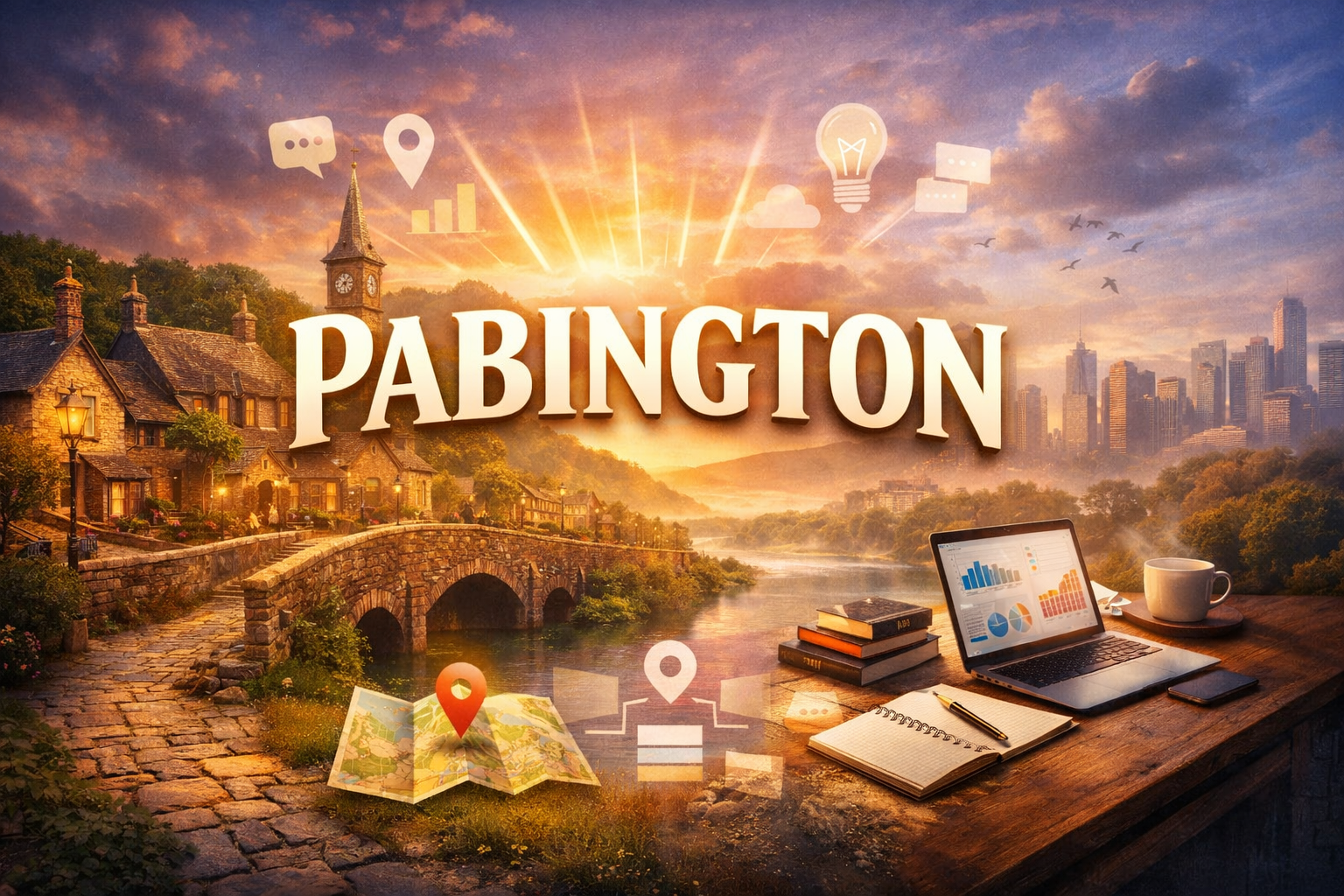
Pabington isn’t listed in traditional dictionaries, nor does it officially appear on geographic maps. Yet it feels real. It sounds like a charming English town, perhaps somewhere between heritage architecture and modern creativity. That familiarity is intentional — and powerful.
At its core, Pabington is a flexible, modern concept. It has been used to describe:
-
A fictional town in storytelling
-
A creative branding identity
-
A cultural symbol
-
A structured yet imaginative mindset
-
A community-driven idea
Rather than having one rigid definition, Pabington thrives on interpretation. And that open-ended nature is exactly why it’s resonating online.
Is Pabington a Real Place?
Short answer: No — not officially.
There’s no census record, no government registry, and no verified geographic data confirming Pabington as a physical town. However, that doesn’t make it insignificant.
Many digital phenomena today begin as creative constructs. What makes Pabington fascinating is how convincingly it sounds like a real English location. The “-ington” suffix — common in British town names like Kensington or Paddington — gives it instant credibility.
This linguistic familiarity creates trust. When people first hear “Pabington,” they rarely question whether it exists. It simply feels authentic.
And in branding and storytelling, perception matters.
Why the Name Feels So Familiar
The suffix “-ington” comes from Old English roots, historically referring to a settlement or estate. Over centuries, this pattern became common in place names across the UK.
Because of this structure, Pabington subconsciously signals:
-
Stability
-
Heritage
-
Community
-
Tradition
At the same time, the prefix “Pabing-” doesn’t tie to any specific historical location. That blank space invites imagination.
In other words, the name balances familiarity and mystery — a rare and powerful combination.
The Core Ideas Behind the Pabington Concept
Although Pabington isn’t an official framework, several core themes consistently appear in how people interpret it.
1. Structured Creativity
Pabington represents creativity that isn’t chaotic.
Think of a picturesque town square: orderly streets, well-designed homes — yet every building has character. That’s the kind of balance Pabington symbolizes.
In practical terms, this idea applies to:
-
Clean website design
-
Organized storytelling
-
Strategic brand identity
-
Clear creative direction
It’s creativity with intention.
2. Community and Belonging
Many people use Pabington as a symbolic “place” where like-minded individuals gather. It may not exist physically, but it exists conceptually — as a shared identity.
In today’s digital world, communities are no longer defined by geography. They’re defined by:
-
Shared values
-
Shared narratives
-
Shared aesthetic
-
Shared goals
Pabington often represents that kind of collective belonging.
3. Tradition Meets Modern Innovation
Another recurring theme is balance — particularly between heritage and modern progress.
Descriptions of Pabington frequently highlight:
-
Old-world charm blended with new ideas
-
Classical identity supported by modern technology
-
Cultural roots aligned with innovation
That duality makes it appealing in a fast-moving digital era where people crave stability but demand progress.
Why Pabington Is Gaining Popularity Online
The rise of Pabington isn’t random. It taps into several psychological triggers that drive engagement in today’s digital culture.
Curiosity
When something sounds familiar yet lacks a clear definition, people naturally want to investigate. Curiosity increases attention, time on page, and engagement.
Memorability
The name is easy to pronounce, easy to spell, and distinct enough to stand out in search results.
Identity Creation
Modern audiences don’t just consume content — they join narratives. Pabington functions like a blank canvas where creators and communities can project meaning.
And in the creator economy — projected to grow dramatically in the coming years — identity matters more than ever.
Pabington as a Branding Opportunity
From a branding perspective, Pabington has several advantages:
-
It’s distinctive without being strange
-
It feels established without being generic
-
It’s adaptable across industries
-
It invites storytelling
Because the term isn’t locked into one niche, it can represent:
-
A tech startup
-
A lifestyle brand
-
A design studio
-
A fictional universe
-
A community-driven project
Strong brand names often carry emotional resonance rather than literal meaning. Pabington fits that model perfectly.
Pabington in the Creator Economy
Today’s digital landscape rewards originality and narrative depth.
Creators compete not just on quality but on identity. A memorable name can anchor an entire ecosystem of content, products, and community.
In that environment, Pabington becomes more than a word. It becomes:
-
A theme
-
A symbolic home
-
A collaborative universe
The more flexible a concept is, the more scalable it becomes. That adaptability is a key reason Pabington continues to appear across blogs, media platforms, and creative projects.
Cultural and Creative Applications
Fiction and Storytelling
Writers often use Pabington as a fictional setting. Because it has no fixed backstory, creators can design their own:
-
A quiet English village
-
A mysterious town with hidden secrets
-
A progressive community experimenting with innovation
The lack of historical constraints gives storytellers complete freedom.
Digital Folklore and Community Narratives
In online spaces, Pabington has sometimes evolved into collaborative storytelling — similar to how internet folklore develops organically.
These shared narratives:
-
Encourage participation
-
Invite reinterpretation
-
Foster belonging
Instead of consuming content passively, audiences help shape the idea itself.
The Psychology Behind Its Appeal
Several psychological factors explain why Pabington resonates:
Familiarity Bias
We tend to trust names that resemble established patterns.
Curiosity Gap
When meaning isn’t fully defined, we feel compelled to fill the gap.
Narrative Ownership
People connect more deeply to ideas they help define.
Together, these elements make Pabington engaging in a way that traditional, clearly defined terms often are not.
Benefits of Embracing the “Pabington Mindset”
Whether you’re a founder, creator, or strategist, adopting the symbolic Pabington mindset offers practical advantages:
1. Differentiation
In crowded markets, uniqueness drives attention.
2. Emotional Connection
People relate to stories more than features.
3. Flexible Identity
The concept adapts to multiple industries and formats.
4. Long-Term Brand Building
Names that invite interpretation evolve alongside audiences.
Potential Challenges
While Pabington offers flexibility, it also requires clarity in execution.
Because it has no predefined meaning:
-
You must define what it represents for your audience.
-
You must ensure consistency in messaging.
-
You should verify domain and trademark availability before adoption.
Ambiguity is powerful — but only when guided with intention.
The Future of Pabington
Looking ahead, Pabington’s value lies in its openness.
As digital culture continues shifting toward:
-
Community-based branding
-
Narrative ecosystems
-
Experience-driven engagement
…conceptual identities like Pabington will likely become more common.
Rather than representing a physical location, it represents possibility.
Final Thoughts
Pabington isn’t just a name. It’s a reminder that meaning can be constructed, shaped, and shared.
In a world saturated with rigid definitions and predictable branding, something flexible yet familiar stands out. Pabington manages to feel established without being confined — traditional without being outdated — creative without being chaotic.
Whether you view it as a fictional town, a branding asset, or a symbolic mindset, its real strength lies in what you choose to build around it.
FAQs
1. What does Pabington mean?
Pabington is a modern conceptual term often used to describe a fictional town, creative identity, or symbolic framework. It has no official dictionary definition but is widely used in digital culture and branding.
2. Is Pabington a real place?
No, Pabington is not a registered geographic location. It is generally considered a fictional or symbolic name used in storytelling, branding, and online communities.
3. Why is Pabington trending online?
Pabington is trending because it sounds like a real English town while remaining undefined. This mix of familiarity and mystery sparks curiosity and creative engagement.
4. How can Pabington be used in branding?
Pabington can be used as a unique brand name, community identity, storytelling theme, or creative project title. Its flexibility makes it suitable for startups, blogs, and digital platforms.
5. What is the Pabington concept or framework?
The Pabington concept refers to a mindset of structured creativity, community building, and balanced innovation. It is not a formal business model but a symbolic approach.
6. Does Pabington have historical origins?
There is no verified historical record of a place named Pabington. The name follows traditional English naming patterns, which makes it feel authentic and trustworthy.
7. Is Pabington good for SEO and domain branding?
Yes, Pabington is highly brandable due to its uniqueness and low competition. However, domain and trademark availability should be checked before use.
For more valuable insights and digital updates, visit my blog: newinsport.
